Beyond CPAP: Why Sustainable Adherence Is the Future of Sleep Medicine
According to CEOWORLD magazine, sleep medicine is reaching a turning point: the central question is no longer simply whether obstructive sleep apnea can be identified and treated, but whether…
Jessica Clayton·updated July 25, 2026
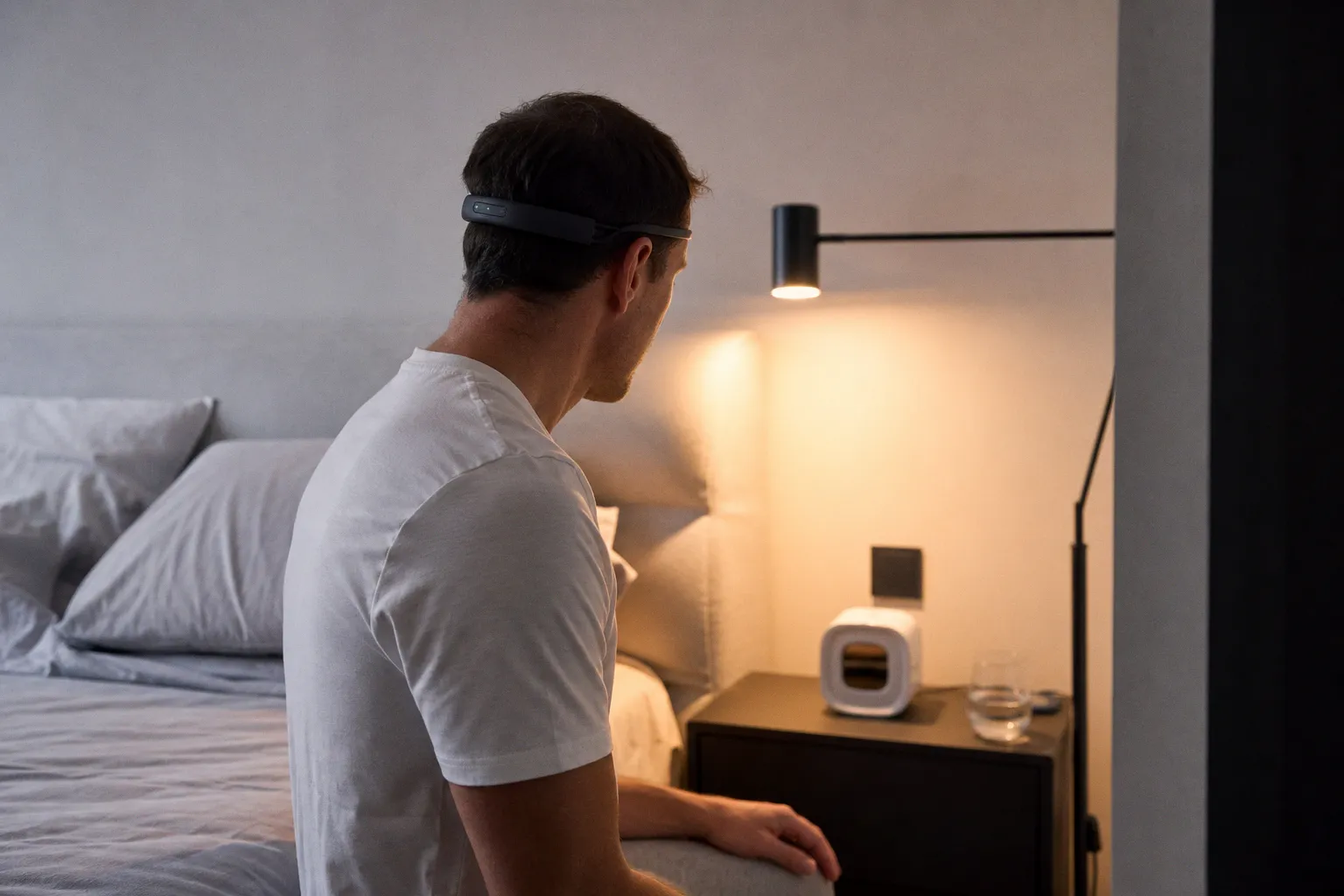
According to CEOWORLD magazine, sleep medicine is reaching a turning point: the central question is no longer simply whether obstructive sleep apnea can be identified and treated, but whether treatment can settle into a person’s ordinary nights and remain there. For anyone tracking recovery through sleep, that distinction matters. A therapy can look strong in a clinical setting yet fail to change the rhythm of a life if it is too difficult to tolerate or sustain.
The article’s essential argument is not that CPAP has stopped working. It remains an effective treatment for many people with obstructive sleep apnea, or OSA. The more uncomfortable truth is that effectiveness on paper and adherence in real life do not always move in the same cadence.
The metric that matters after the diagnosis
OSA is often flattened into a conversation about snoring, but CEOWORLD describes it as a chronic condition associated with cardiovascular risk, hypertension, metabolic dysfunction, cognitive impairment and a lower quality of life. Its consequences can extend beyond the bedroom, into fatigue, productivity and the accumulating allostatic load of under-recovered days.
That makes the usual wellness instinct—to search for the ideal sleep score or the one decisive intervention—feel incomplete. The meaningful question is more grounded: does a person actually remain with the treatment long enough for it to shape their days?
CEOWORLD notes that many people with OSA are untreated, undertreated or unable to tolerate existing options. Even for diagnosed patients, long-term adherence remains difficult. I find this an important corrective to the tidy before-and-after stories that surround sleep technology: a solution that interrupts, irritates or overwhelms the sleeper may never become a solution at all, regardless of its clinical promise.
Innovation is not only a new device
The piece frames the next phase of sleep medicine around more treatment options and a broader definition of success. That does not mean replacing clinical endpoints with vague feelings. It means placing everyday experience alongside them: whether fatigue improves, whether therapy feels manageable, whether quality of life changes, and whether a patient would willingly continue.
This is where the language of recovery becomes more human. Sleep is not a laboratory performance; it is a repeated act of down-regulation, conducted night after night amid work, travel, stress and changing health. A treatment’s real value may lie in its fit—the degree to which it can become part of that nightly environment rather than another source of friction within it.
For the field, that reframes innovation. Better diagnosis remains important, CEOWORLD argues, but identifying more cases alone does not resolve the gap between being prescribed care and living with it. Convenience, tolerability and personal preference can determine whether a therapy has a durable effect outside ideal conditions.
A practical way to read the next wave
For readers interested in longevity and performance, the useful takeaway is not to self-diagnose from tiredness or a wearable graph. It is to take persistent sleep disruption seriously enough to discuss it with a qualified clinician—and, if treatment is recommended, to make adherence part of the conversation from the start.
I would want the practical questions to be simple: Is this realistic for my nights? What happens if I struggle with it? How will we know whether it is helping beyond a single measurement? These are not signs of being difficult; they are part of finding a treatment that can hold its resonance over time.
The most promising chapter in sleep medicine may therefore be quieter than a breakthrough headline suggests: more room for therapies that patients can actually keep using, and more attention to whether better sleep is being felt in the texture of everyday life.