MIAMI BEACH HELPS SPOTLIGHT THE FUTURE OF HEALTHCARE INNOVATION
A municipal economic-development signal is not clinical evidence. Still, Miami Beach’s participation in the WHX Miami Xcelerate Startup Competition is worth noting because the winning company, Wink…
Brian Woodward·updated July 03, 2026
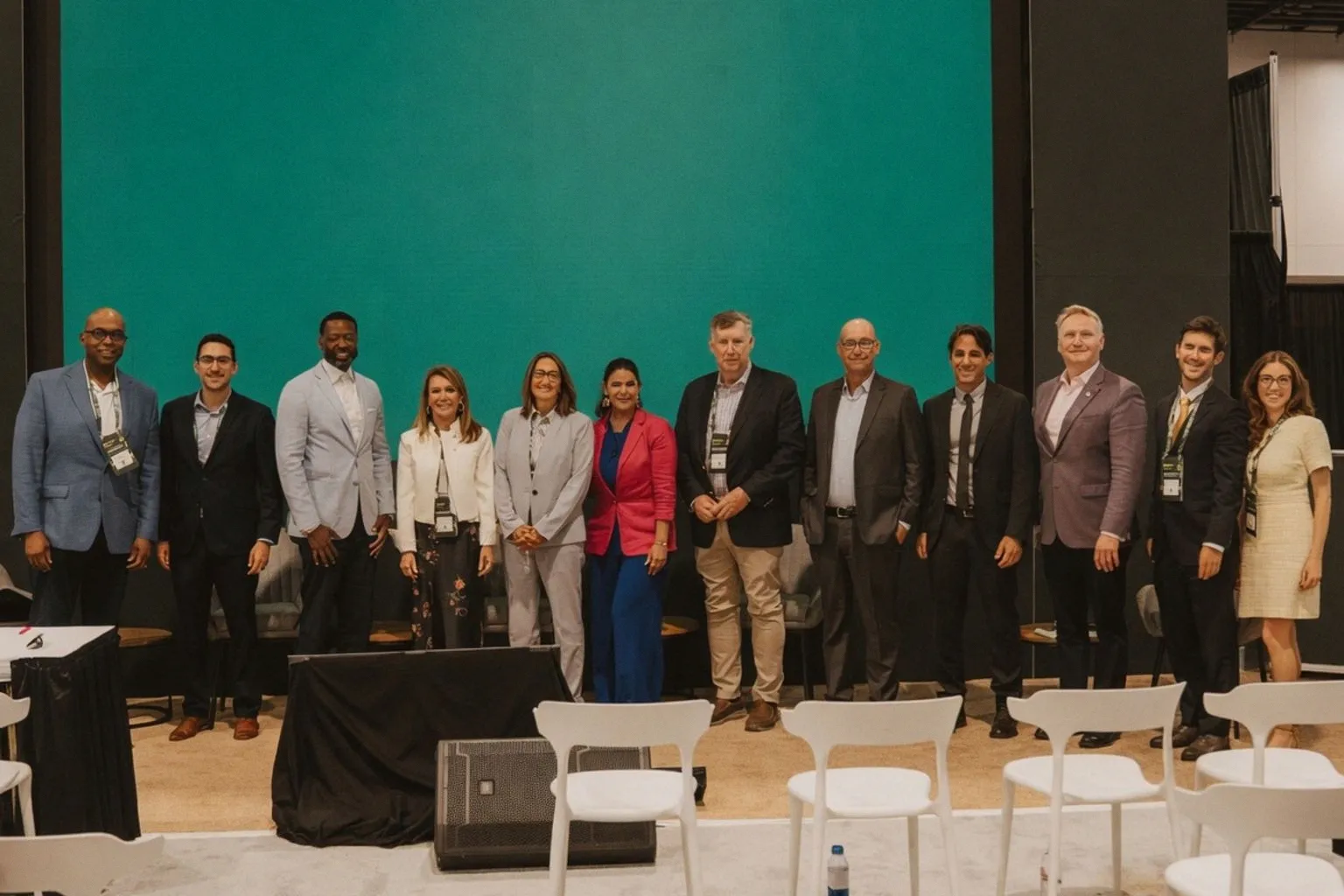
A municipal economic-development signal is not clinical evidence. Still, Miami Beach’s participation in the WHX Miami Xcelerate Startup Competition is worth noting because the winning company, Wink Biotherapeutics, is working on precision-targeted RNA therapeutics for Type 1 diabetes and solid tumors. For longevity readers, the relevant point is not the city branding. It is the continuing migration of biotechnology, digital health, and life-science startups into public-facing “future of medicine” platforms where feasibility, implementation, and investor readiness are being judged alongside scientific novelty.
RNA therapeutics moved to the center of the pitch
According to the City of Miami Beach, its Economic Development Director Steven Anthony served as a judge at the WHX Miami Xcelerate Startup Competition, held at the Miami Beach Convention Center. Six startup finalists presented healthcare, biotechnology, digital health, and life-science solutions. The judging criteria included innovation, feasibility, presentation quality, and the ability to respond to questions from the panel.
The winner was Wink Biotherapeutics. Warren D. Marcus, Ph.D., the company’s co-founder and CEO, was named in the city’s release. The company’s platform is described as a precision-targeted RNA therapeutics approach, with potential treatments being advanced for Type 1 diabetes and solid tumors.
That phrasing matters. “Potential treatments” is not the same as validated clinical efficacy. RNA-based platforms can be mechanistically attractive because they may modulate biological pathways with high specificity. But for any longevity-adjacent reader, the sequence of evidence remains fixed: target rationale, preclinical signal, safety profile, dose response, human cohort data, and reproducible clinical endpoints. A competition win does not compress that sequence.
The prize is infrastructure, not proof
The grand prize was not a clinical endorsement. It included a sponsored opportunity to exhibit at WHX Dubai 2027, a complimentary exhibition stand at WHX Miami 2027, and a 30-day executive mentorship program.
This distinction is useful. Startup competitions often evaluate whether a company can communicate its technology, defend feasibility, and engage commercial or institutional partners. Those are implementation variables. They may help a platform reach collaborators, investors, or trial infrastructure. They do not establish therapeutic benefit.
The broader WHX Miami event, as described by the city, brought together entrepreneurs, investors, healthcare executives, and industry experts from around the world. That aligns with a wider pattern visible in current health-innovation coverage: digital health, home medical devices, biotechnology, and healthcare implementation are being discussed as part of one ecosystem. The weak point is predictable. Translation from promising platform to measurable patient outcome is slow, expensive, and often negative.
What to track before taking the longevity angle seriously
For readers following cellular aging, metabolic disease, and precision medicine, the practical filter is simple.
First, identify the target and mechanism. If an RNA therapeutic is intended to affect Type 1 diabetes or solid tumors, the relevant question is which biological pathway is being modulated and how delivery is controlled. “Precision-targeted” is a hypothesis until specificity and off-target effects are measured.
Second, separate commercial milestones from clinical milestones. Exhibition access, mentorship, and investor exposure can accelerate a company’s trajectory. They do not substitute for published data.
Third, watch for human evidence. The minimum useful information would include study design, cohort characteristics, endpoints, adverse events, and durability of effect. Without those details, the story remains an innovation-ecosystem development rather than a biomedical conclusion.
Miami Beach is positioning itself as a hub for entrepreneurship, investment, and growth in healthcare and life sciences. That may help concentrate companies and capital. For longevity science, however, the evidentiary standard is unchanged: mechanistic plausibility is only the first layer, and implementation is only valuable when it leads to outcomes that can be measured.