Regenerative medicine and SoftWave reshape non-surgical body contouring
The cosmetic industry treats surgery as the default endpoint. A fresh cluster of coverage suggests regenerative medicine — and acoustic pressure technology in particular — is quietly redrawing that…
Marcus Thorne·updated June 28, 2026
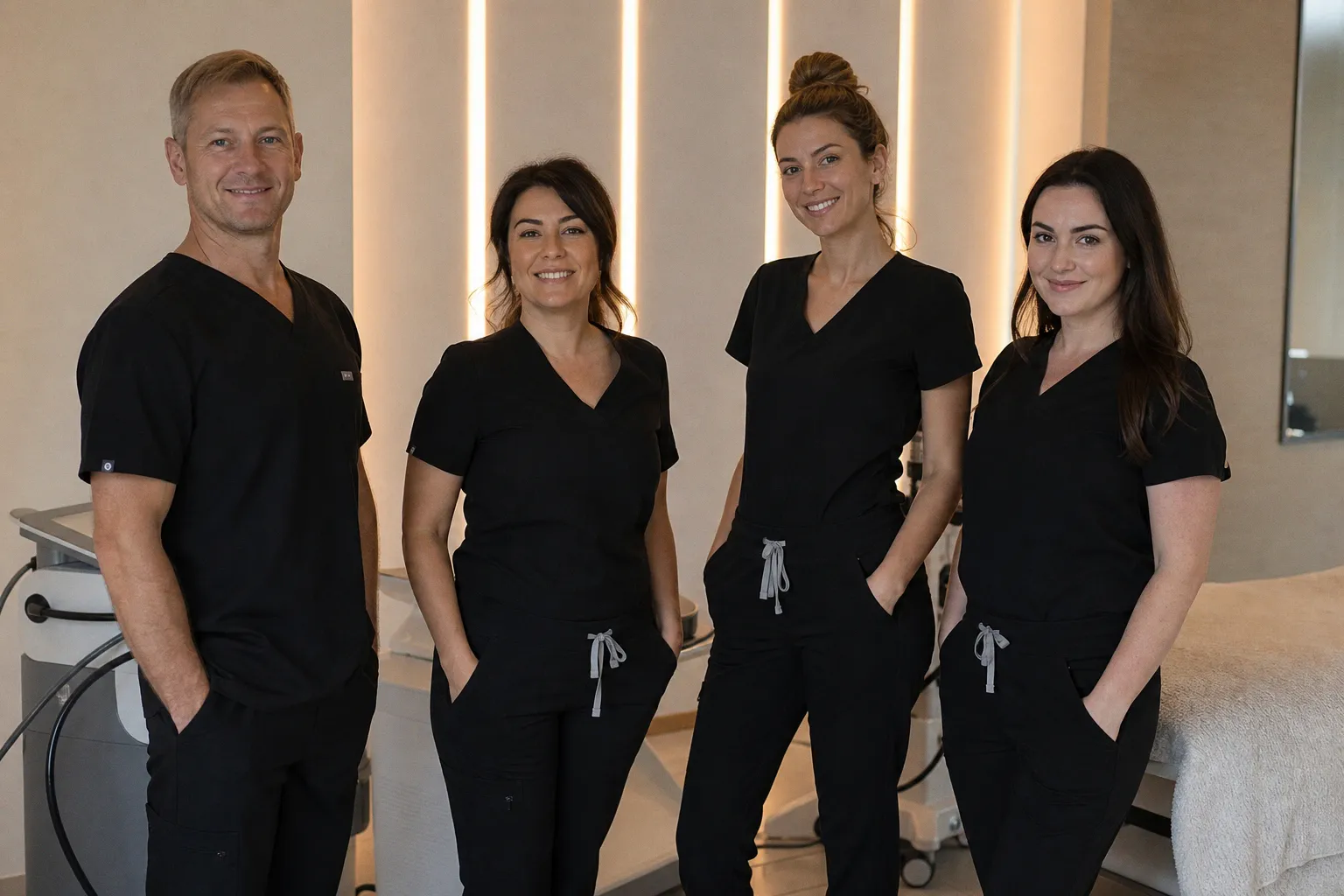
The cosmetic industry treats surgery as the default endpoint. A fresh cluster of coverage suggests regenerative medicine — and acoustic pressure technology in particular — is quietly redrawing that map for non-surgical body contouring, with downstream implications well beyond aesthetics.
SoftWave and the acoustic lever
MSN is running a piece titled "Regenerative medicine and SoftWave reshape non-surgical body contouring," framing shockwave-based devices as a regenerative intervention rather than a purely mechanical one. The signal for anyone tracking the field: the boundary between "aesthetic device" and "tissue-level protocol" is dissolving. If you map the contouring landscape, the old friction was surgery versus surface-level energy devices. The new input may be regenerative at the cellular layer — which changes what you're actually buying when you book a session.
The wider regenerative signal
This sits inside a broader convergence. Longevity.Technology is profiling Dezawa MuseCells® as a candidate next-generation regenerative modality. The Association of Health Care Journalists is framing the field's "promise" as "taking clearer shape." And ETV Bharat is asking whether regenerative approaches can enhance recovery after brain tumour treatment — a cognitive-performance angle worth watching even if your primary interest is aesthetics.
The connective tissue: regenerative medicine is migrating from niche clinical protocols into adjacent markets — cosmetics, oncology recovery, longevity optimisation. The asymmetry worth flagging is that the same underlying biology (cellular signalling, tissue repair cascades) keeps surfacing across these domains. The frameworks are converging faster than the marketing claims.
What to track before you commit
The evidence here is headline-level, not yet peer-reviewed mechanism data. Treat this as an emerging input, not a verified output. Track three things over the next quarter: first, whether SoftWave providers publish mechanism-of-action data beyond marketing — specifically, measurable changes in tissue biology, not just circumference. Second, how MuseCells® and comparable cell-based approaches progress in formal trials and regulatory pathways. Third, whether the brain-tumour recovery angle produces protocols with cognitive-performance endpoints you can actually benchmark.
I have found that the leverage point in any regenerative protocol is never the device name — it's whether the framework delivers tissue-level changes you can independently verify. Demand the measurement, not the promise.