$5 Million Gift Advances the Future of Surgery and Medical Innovation at UC San Diego | Newswise
The University of California San Diego School of Medicine has secured a $5 million gift from Joseph and Honmai Goodman to fund the Center for the Future of Surgery (CFS) and establish new pathways for emerging medical technologies.
Julian Vance·updated June 19, 2026
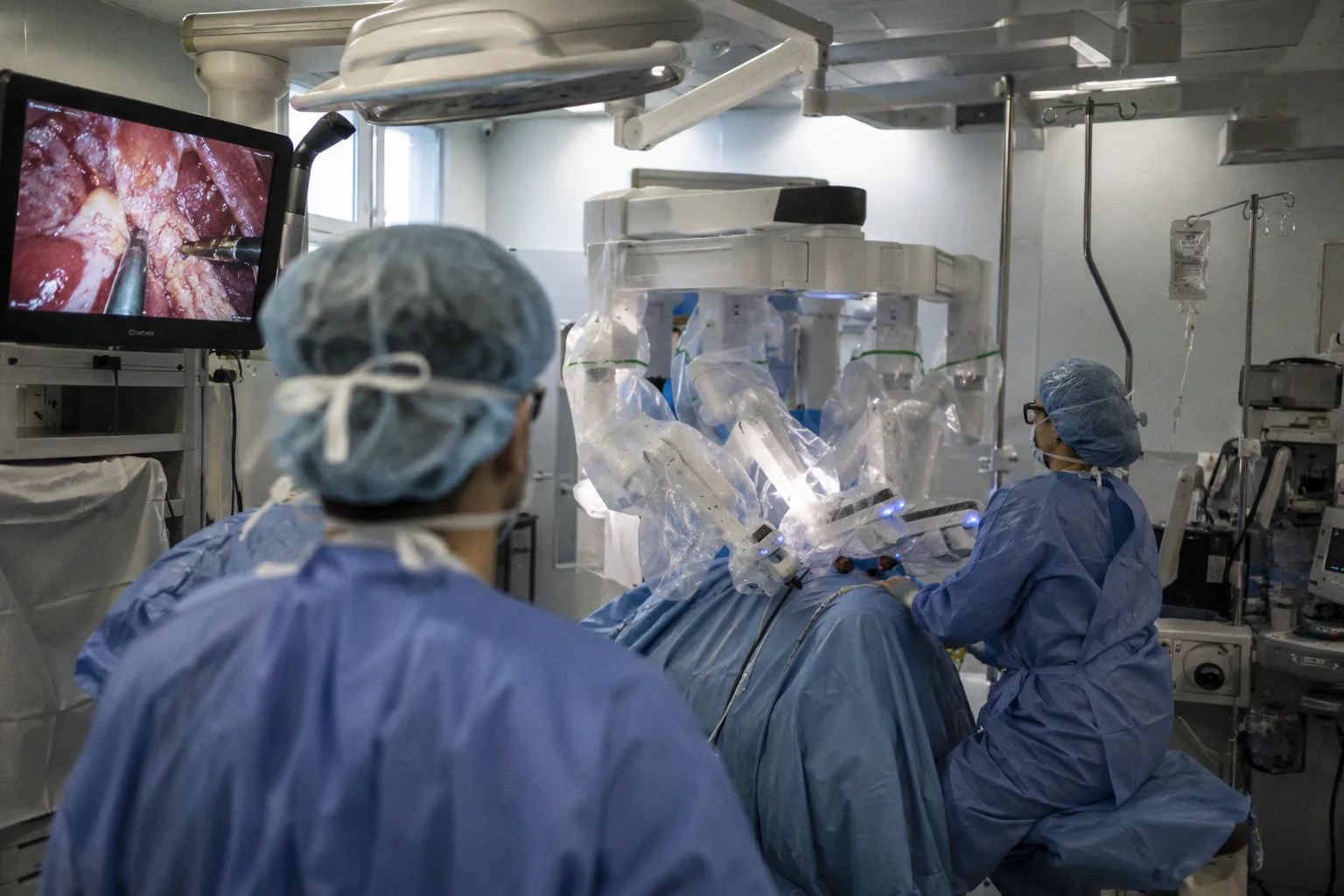
Technological Integration in Minimally Invasive Procedures
The Center for the Future of Surgery, established in 2011 within the Department of Surgery, operates a 22,000-square-foot facility equipped with over $30 million in surgical instrumentation and simulation technologies. The infrastructure includes more than 20 operating stations, multiple robotic operating platforms, a hybrid operating room for advanced imaging, and a 15-station microsurgical procedure and dissection suite.
We observe in the operational data that the facility has trained more than 40,000 clinical learners, including residents, fellows, and practicing surgeons. The mechanistic value of this infrastructure lies in its capacity to test and standardize high-precision interventions. The center has previously demonstrated the clinical application of these technologies through the development of scarless surgery, minimally invasive cardiac procedures, and the execution of the first fully customized anterior cervical spine surgery utilizing artificial intelligence and 3D-printed implants.
Endowed Pathways for Emerging Medical Technologies
The financial allocation is structured to establish the Joseph and Honmai Goodman Family Endowed Director’s Chair in the Center for the Future of Surgery, alongside the JW and HM Goodman Family Endowed Catalyst Fund for Emerging Technologies in Health and Medicine. Joseph Goodman, an optical physicist, directed the funding toward sustaining the intersection of physical technology and clinical medicine.
The primary objective of these funds is to accelerate the transition of emerging technologies from experimental models to active surgical suites. By institutionalizing these resources, the department aims to support ongoing leadership and expand training protocols for next-generation techniques. This structured support is intended to modulate the baseline recovery times and complication rates associated with traditional invasive interventions.
Assessment of Current Evidence and Translational Limits
While the expansion of training facilities and technological acquisition is a necessary precursor to clinical advancement, we must maintain analytical skepticism regarding immediate, widespread patient outcomes. The efficacy of AI-driven and 3D-printed surgical interventions remains subject to long-term cohort studies to determine true clinical superiority over conventional methods.
The transition from simulation suites to generalized clinical standard of care requires rigorous validation of safety profiles and long-term recovery metrics. Currently, documented successes, such as customized spinal implants, represent specialized milestone achievements rather than standardized, widely accessible protocols. Practitioners of evidence-based longevity science should monitor how these funded technologies transition into peer-reviewed clinical trials before assuming broad therapeutic availability.