Neurotechnology and Brain Health: Dr. Daniel Kramer Insights
Most longevity enthusiasts chase mitochondrial output or senescent cell clearance while treating the brain as a downstream beneficiary — a passive organ waiting for better metabolic plumbing. That framing is backwards.
Oscar Fitzgerald·updated July 01, 2026
A Signal From the Academic Trenches
The University of Colorado Anschutz Medical Campus recently spotlighted Dr. Daniel Kramer in a feature titled Unlocking the Brain's Potential: Dr. Daniel Kramer on Innovation, Neurotechnology, and the Future of Brain Health. The piece, published through the CU Anschutz newsroom, frames Kramer's work at the intersection of emerging neurotechnology and practical brain-health strategy. Details beyond the headline remain sparse in public feeds — but the positioning itself matters. When a major academic medical center elevates a single researcher's lens on "unlocking potential" in neuro, it signals institutional confidence that the field has crossed from speculative gadgetry into something clinically actionable. For anyone tracking the pipeline from lab-grade brain-computer interfaces to consumer-grade cognitive tools, this is a node worth watching.
Why the Neuro-Input Layer Deserves Your Friction Audit
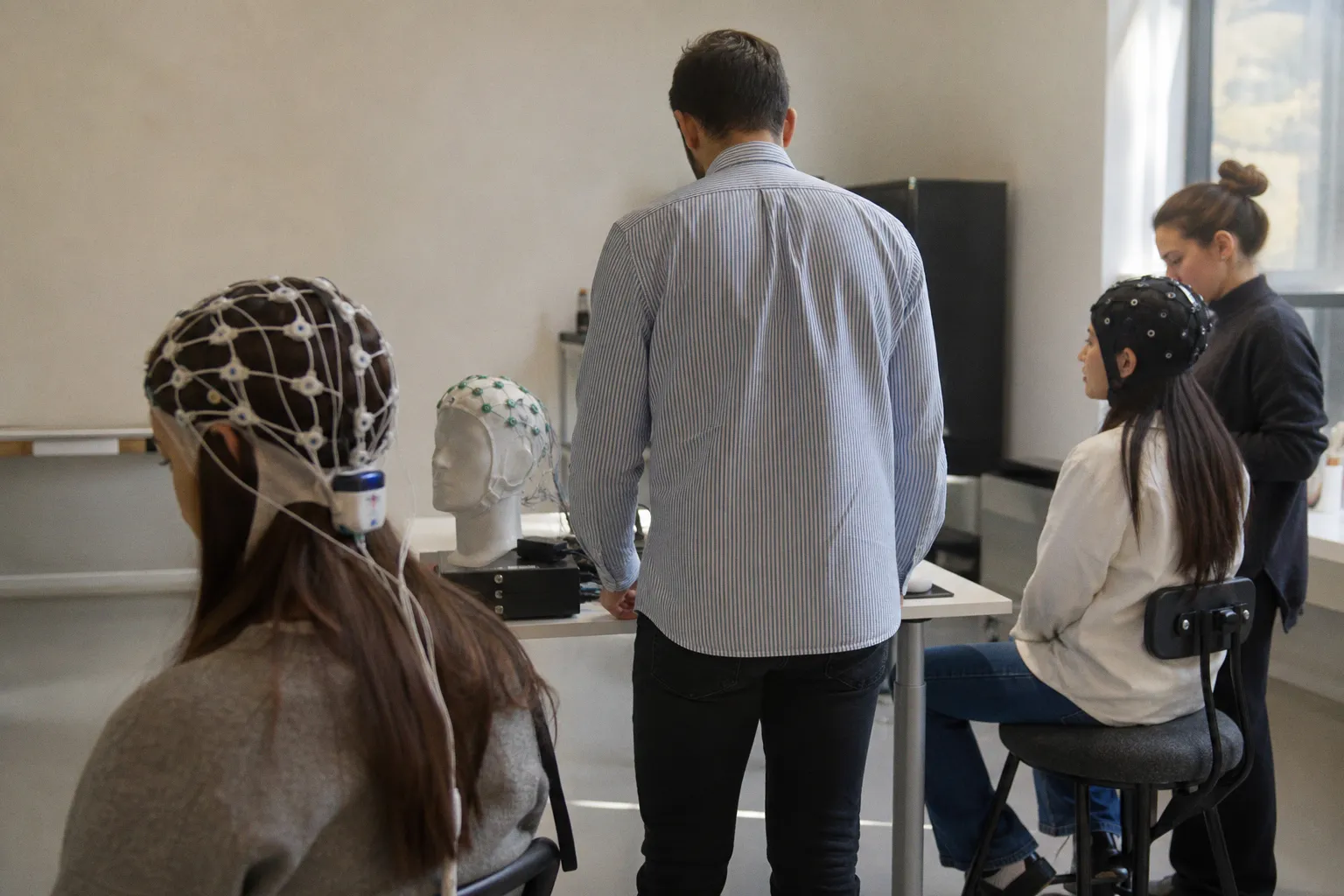
If you map the inputs and outputs of your own performance stack — sleep architecture, glucose stability, HRV recovery, micro-dosing protocols — the brain sits at the top of the asymmetry curve. Small perturbations in neural signaling cascade into large downstream shifts in hormonal output, autonomic balance, and even gut motility. The leverage is enormous, yet most self-optimizers lack direct measurement tools at that layer. Neurotechnology — whether it's closed-loop neurofeedback, high-resolution EEG wearables, or targeted transcranial stimulation — aims to collapse that measurement gap. The CU Anschutz feature on Kramer suggests that academic programs are now framing this not as a research curiosity but as a clinical pathway with near-term applications. That's a meaningful shift from even two years ago, when similar work sat squarely in the "promising but distant" bucket.
The Ecosystem Is Catching Up
On a parallel track, the broader health-tech landscape is accelerating the connective tissue between patients, providers, and data. Health Union — the company behind 125-plus condition-specific online communities reaching tens of millions of users — recently announced its 2027 Innovation Suite, anchored in AI-driven personalization and first-party community data. The parallel isn't incidental: as neurotechnology tools move toward clinical and consumer deployment, the platforms that mediate patient-provider dialogue are simultaneously upgrading their infrastructure. If you're building a personal longevity stack, the friction between what your wearable knows and what your clinician sees is still the bottleneck. These converging trends — academic neurotech programs gaining institutional backing, health-community platforms investing in AI personalization — point toward a near future where that friction drops measurably.
What to Test Now
Don't wait for the full Kramer paper or a product launch. Run a friction audit on your own brain-health data loop this week: pull your last 30 days of HRV, sleep-stage, and focus-time data. Ask one question — where is the signal strongest, and where does it simply vanish? The gap between those two points is exactly where neurotechnology aims to intervene. Track it.