A renewable cell source for cancer immunotherapy could make off-the-shelf treatments possible
A breakthrough in stem cell biology may provide a renewable cell source to overcome a major bottleneck in cancer immunotherapy.
Julian Vance·updated June 20, 2026
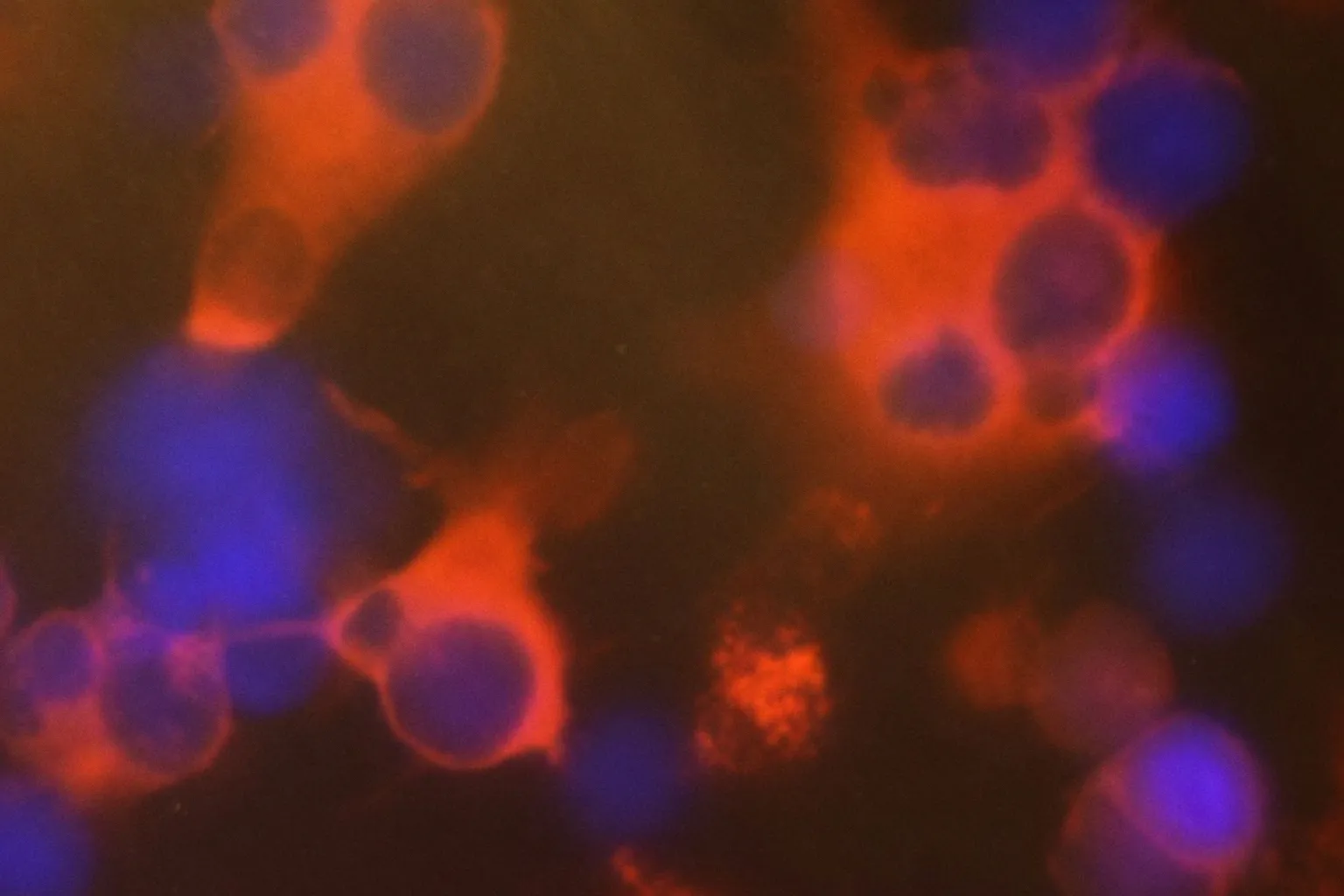
A Scalable Engine for Immune Cells
A team led by USC Stem Cell scientists reports in the journal *Cell* a protocol for the long-term expansion of granulocyte-monocyte progenitors (GMPs). These progenitor cells are precursors to macrophages and other critical immune cells. Using a defined chemical cocktail, researchers prevented the GMPs from differentiating into mature cell types, allowing them to divide extensively while retaining their identity and functional capacity.
This finding is mechanistically significant. The prevailing model held that long-term self-renewal was a property reserved for hematopoietic stem cells, which can generate all blood and immune cell types. Observing this self-renewal capability in a committed progenitor like GMPs provides a new, scalable platform for cellular engineering.
Implications for Solid Tumor Immunotherapy
The therapeutic relevance stems from the limitations of current approaches. Mature macrophages are difficult to manufacture at scale, engineer genetically, and are prone to damage during storage. Furthermore, they tend to sequester in organs like the liver and lungs rather than distributing systemically.
GMPs offer a viable alternative. As upstream progenitors, they are more amenable to expansion and engineering. The study shows these expanded GMPs can be engineered with chimeric antigen receptors (CAR) to target specific cancer markers while also stimulating broader immune responses. Because macrophages are naturally adept at infiltrating tumors, this GMP-based platform is positioned as a candidate for addressing solid tumors, a domain where T-cell therapies have shown limited efficacy.
The Path Forward and Evidence Constraints
This research establishes a proof-of-concept for a renewable, engineerable platform. The efficacy of such an approach in human clinical trials remains to be evaluated. The primary observation is the scalable production of a progenitor cell type with immunotherapeutic potential.
We should note the evidence is based on a single published study. The transition from laboratory expansion to consistent, potent off-the-shelf therapies involves numerous technical and regulatory hurdles. The key advancement here is the demonstration that a progenitor's self-renewal can be harnessed, opening a new avenue for cell therapy development beyond traditional stem cell sources.