Biotech Funding Trends: Disease Modeling Grants
We observe two distinct but thematically aligned signals emerging from this month's biotech funding cycle: a new disease-modeling research grant from FUJIFILM Biosciences and the opening of…
Brian Woodward·updated July 11, 2026
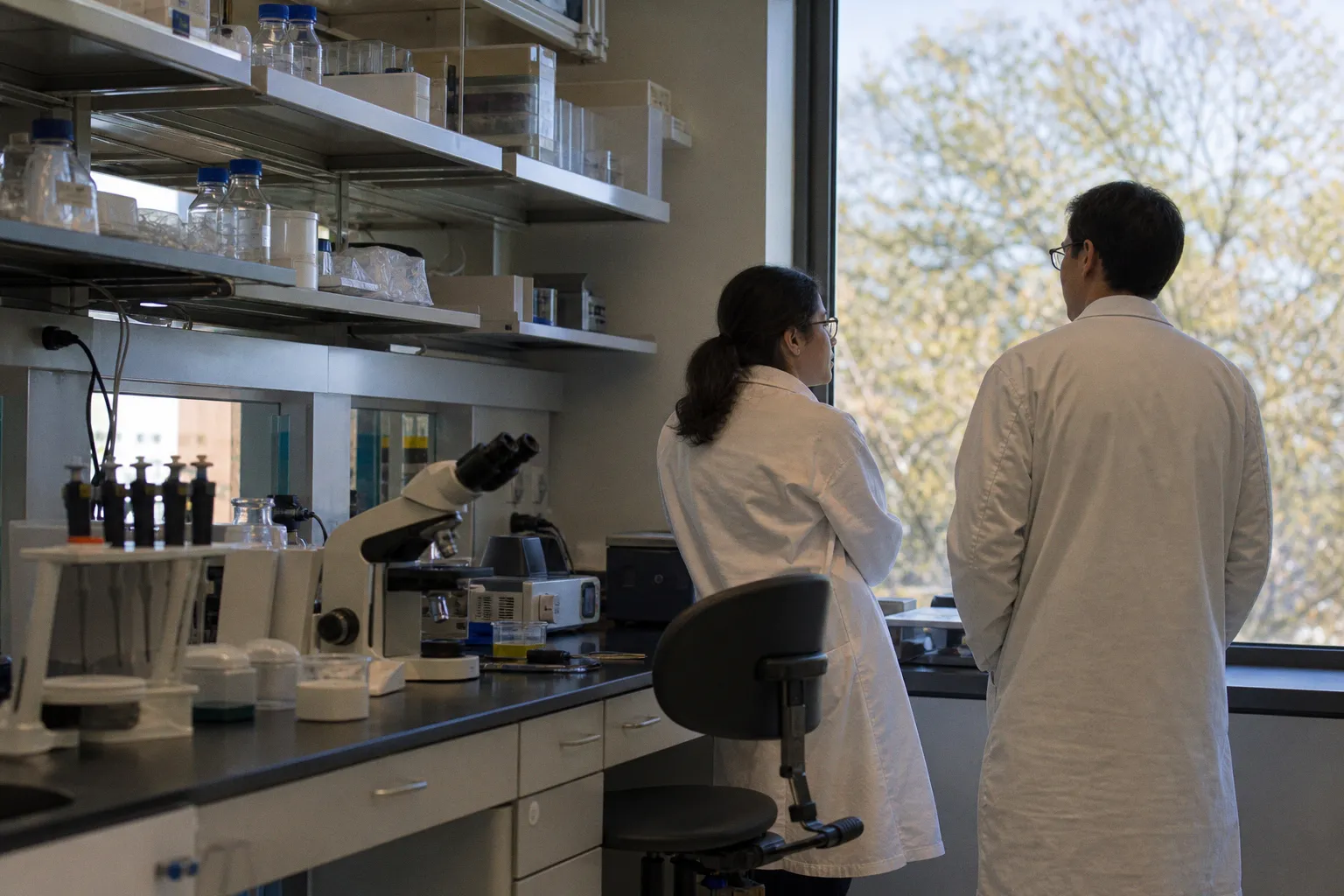
We observe two distinct but thematically aligned signals emerging from this month's biotech funding cycle: a new disease-modeling research grant from FUJIFILM Biosciences and the opening of applications for the ninth cohort of KQ Labs, an accelerator targeting data-driven health start-ups. For the longevity-informed reader, both initiatives merit attention — not as breakthroughs, but as structural indicators of where capital and institutional validation are flowing in translational biology.
FUJIFILM Biosciences Disease Modeling Research Grant
According to BioTechniques, FUJIFILM Biosciences (CA, USA) has launched its inaugural Disease Modeling Research Grant contest. The program will award up to three researchers grants valued at up to US$5,000 each. The company frames this as part of a broader commitment to scientific innovation, though the precise deliverables and evaluation criteria remain behind a registration wall on the source publication.
Disease modeling — the construction of in-vitro or in-silico systems that replicate pathophysiological mechanisms — is a mechanistic prerequisite for any credible intervention targeting age-related decline. Whether the model concerns senescent cell accumulation, mitochondrial dysfunction, or epigenetic drift, the quality of the model determines the translational validity of downstream candidates. A grant of this scale is modest in absolute terms; its significance lies in signaling that industry actors with reagent and assay infrastructure are actively courting academic collaborators working on disease-relevant biological systems.
KQ Labs: Ninth Cohort Now Accepting Applications
The same biotech roundup reports that applications have opened for the ninth cohort of KQ Labs, an accelerator program focused on data-driven health ventures. No further details on cohort size, funding terms, or sector emphasis were provided in the available source material.
We observe in the data that accelerator programs targeting health and longevity have proliferated over recent cycles, reflecting sustained investor interest in computational approaches to biomarker discovery, personalized supplementation, and diagnostic algorithm development. KQ Labs, operating at the intersection of health data and commercial application, represents a cohort-based model that pairs early-stage ventures with mentorship and infrastructure — a mechanism that has historically compressed the time-to-validation for health-tech start-ups.
Context for the Longevity-Focused Reader
Neither of these programs constitutes a direct protocol update or a novel clinical finding. What they do represent, however, is the continued institutional scaffolding that supports translational longevity science. Disease modeling grants feed the upstream pipeline of mechanistic understanding; accelerators like KQ Labs compress the downstream pathway from data insight to deployable health tools.
For the practitioner or self-optimizer tracking the space, the actionable signal is not to apply for these programs (unless one is a researcher or founder), but to monitor which disease models and data-health start-ups emerge from these cohorts. Efficacy in longevity interventions is downstream of model quality and data infrastructure — two domains these initiatives are designed to strengthen.
One caveat: the source material available for this roundup is limited in granularity. We lack specifics on eligibility criteria for the FUJIFILM grant, thematic focus areas for the KQ Labs cohort, and broader context on the other items mentioned in the BioTechniques bi-weekly, including developments around direct RNA sequencing modules and EDEN models for vaccine target prediction. We will assess further details as they become publicly available.