AEON welcomes Dubai's Longevity Authority and the next chapter of healthcare innovation
Dubai has formalized its longevity ambitions into legislative action. Law No. (17) of 2026 establishes the Dubai Longevity Authority (DLA), a regulatory body tasked with advancing preventive…
Brian Woodward·updated July 10, 2026
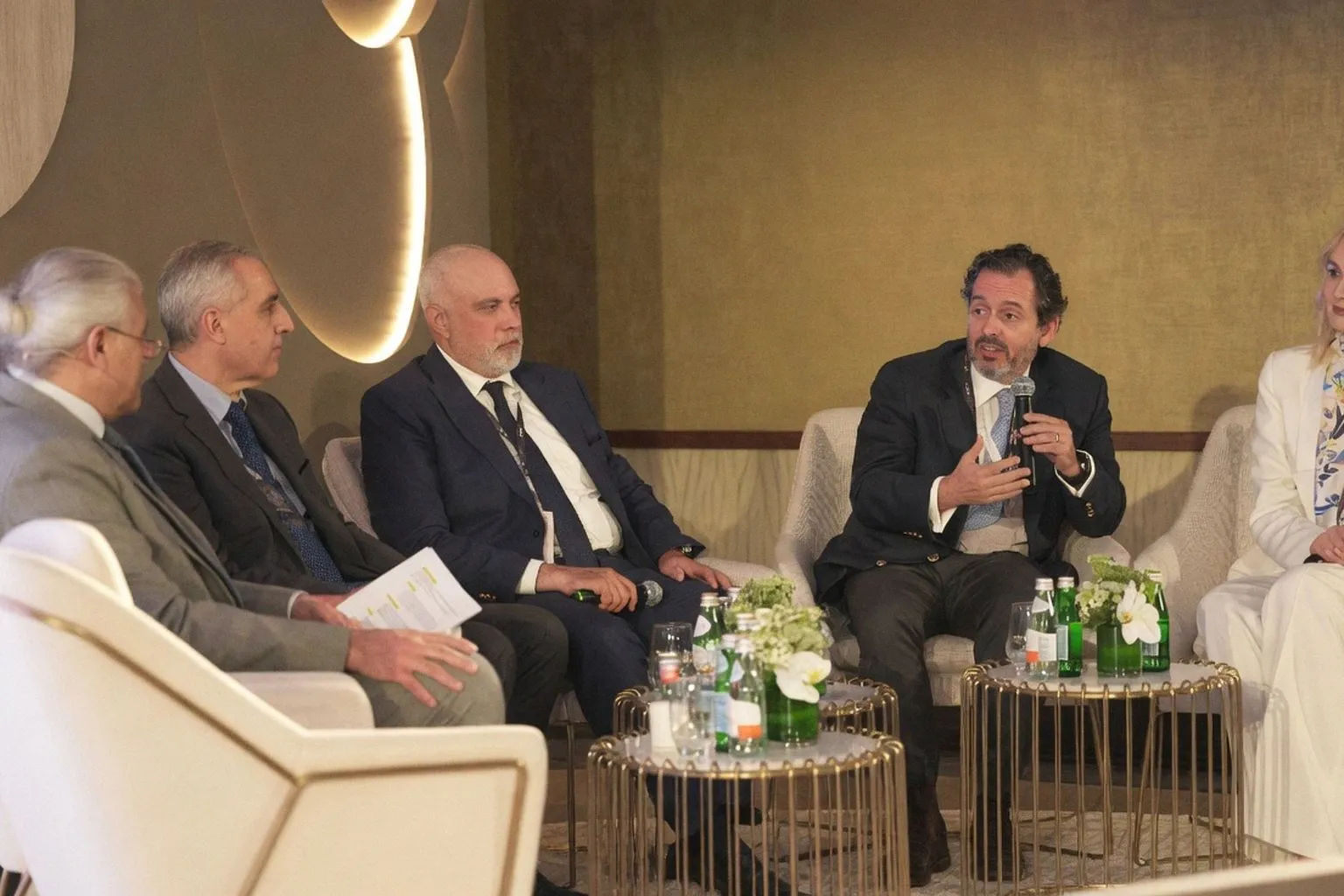
Dubai has formalized its longevity ambitions into legislative action. Law No. (17) of 2026 establishes the Dubai Longevity Authority (DLA), a regulatory body tasked with advancing preventive healthcare, healthy ageing, and longevity science within the emirate. The move aligns with Dubai's broader D33 economic agenda and signals a shift from aspirational rhetoric to institutional infrastructure — a development that warrants close observation by anyone tracking how governments choose to operationalize the longevity thesis.
Institutionalizing longevity: what the DLA represents
We observe a pattern across jurisdictions that are positioning themselves as longevity hubs: regulatory frameworks precede clinical ecosystems. Singapore, Switzerland, and parts of the Gulf have each pursued variants of this model. Dubai's approach — creating a dedicated authority rather than folding longevity into existing health ministries — suggests a mandate that extends beyond standard public health administration.
The mechanistic logic is straightforward. A centralized body can streamline approval pathways for regenerative therapies, set evidentiary standards for biomarker-based interventions, and coordinate cross-sector research initiatives. Whether the DLA will adopt conservative, evidence-gated protocols or a more permissive regulatory posture remains to be seen. For practitioners and clients operating in the longevity space, the regulatory philosophy that emerges will determine the quality ceiling of available interventions.
AEON's positioning and the clinical translation layer
AEON Clinic, described in Gulf News reporting as one of the region's leading longevity clinics, has publicly welcomed the DLA's creation. Dr. Jaffer Khan, the clinic's founder and CEO, framed the authority as reflective of Dubai's commitment to "shaping the future of healthcare," positioning AEON as a clinical translation layer for longevity science.
The clinic's reported protocol stack — comprehensive biomarker testing, DNA sequencing, cellular health profiling, followed by individualized treatment plans incorporating IV therapies and cellular regeneration — maps onto a standard longevity-clinic offering. This is the current clinical phenotype of the premium longevity sector: high-resolution diagnostics paired with interventional regenerative protocols. What distinguishes one cohort of such clinics from another is not the menu but the evidentiary rigor of their protocol selection and outcome tracking.
What to monitor from here
The critical variable for the longevity community is not the DLA's existence but its operational parameters. Specifically: which therapeutic modalities will it recognize, what evidence thresholds will it require for clinical adoption, and will it mandate longitudinal outcome reporting from participating clinics? A regulatory body that enforces robust post-treatment data collection would represent a meaningful contribution to an evidence base that remains, across the longevity clinic sector globally, largely anecdotal.
We should also observe whether the DLA catalyzes a genuine research ecosystem — academic partnerships, clinical trials, peer-reviewed publication — or whether it functions primarily as a branding vehicle for Dubai's medical tourism ambitions. Both outcomes are plausible. The distinction matters considerably for anyone evaluating whether to engage with Dubai-based longevity services as a data-informed consumer rather than a hospitality client.
For now, the establishment of the DLA is a structural signal worth tracking. Its downstream effects on clinical standards, regulatory access to novel interventions, and the evidentiary quality of longevity medicine in the region remain open questions.