Innovation Without Limits: Advancing Pharma, Analytical Science & Laboratory Technologies
A new cluster of industry reports points to the same operational hypothesis: the next phase of pharmaceutical and longevity-relevant research will be shaped less by single breakthrough molecules than by better measurement systems.
Brian Woodward·updated July 10, 2026
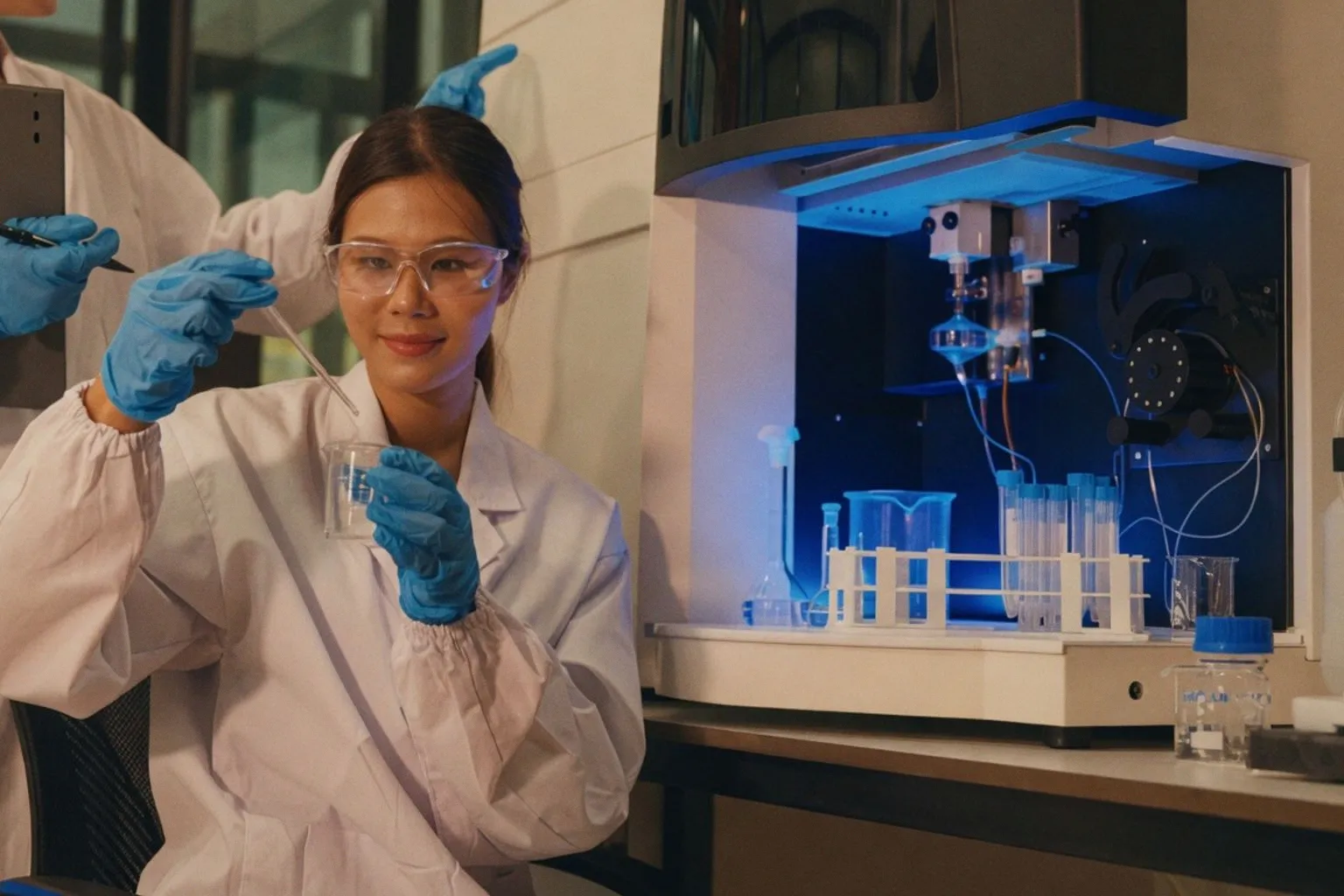
The laboratory is becoming a data system
The Microbioz India report describes a shift in which pharmaceutical research, analytical science, and laboratory technologies are no longer separate domains. The modern lab is presented as an integrated environment built around speed, precision, reliability, and reduced error. That matters for longevity science because most claims in this field depend on analytical fidelity: biomarker panels, omics data, product quality testing, and longitudinal response tracking.
The report also emphasizes artificial intelligence and laboratory automation as central tools. The mechanistic value is straightforward. Automation can reduce manual variability. AI-enabled analytics can process large biological and clinical datasets faster than traditional workflows. Neither feature guarantees validity. But both can modulate the error profile of a study or development program if the underlying data are well structured and the assays are fit for purpose.
For consumers and clinicians evaluating wellness or biohacking products, the practical question is not whether a brand invokes “AI” or “precision.” It is whether its claims rest on reproducible assays, defined biomarkers, and transparent analytical methods. A supplement, diagnostic panel, or biologic-adjacent product does not become more credible because it is associated with advanced instrumentation. It becomes more credible when the measurement pathway is clear.
Biomarkers and precision medicine move closer to product development
Microbioz India also highlights precision medicine, specifically the integration of genomics, biomarkers, and patient data to support more targeted therapeutic strategies. This is relevant to the longevity sector because the same vocabulary is increasingly used outside conventional drug development. Biological age tests, metabolic panels, inflammatory markers, and personalized supplement protocols all borrow from the precision-medicine framework.
The constraint is evidence quality. Biomarkers can be useful when they are clinically or mechanistically interpretable. They are weaker when treated as a proxy for broad healthspan without validation. In the data, we observe a recurring pattern: new analytical capacity arrives before consensus on how to interpret every output. More measurement is not automatically better measurement.
BioProcess International, in a separate item, points to analytical technologies and trends in biologics development. The available snippet does not provide details, so it should be read cautiously. Still, its placement in the same news cluster reinforces the broader direction: biologics development depends heavily on advanced analytical tools, especially where product quality and process control are central.
For the longevity audience, this distinction is important. Many high-end wellness products now position themselves near pharmaceutical or biologics language. The appropriate filter is analytical discipline. What is being measured? At what stage? With what reproducibility? And is the result tied to a meaningful biological endpoint rather than a marketing endpoint?
AI interest is rising, but claims need tighter controls
OpenPR reports that the AI in life science analytics market is projected to reach USD 4.9 billion. The source snippet does not provide methodology or timing details, so the figure should be treated as a market claim rather than biological evidence. It does, however, align with the larger trend described by Microbioz India: data infrastructure is becoming a competitive layer in life sciences.
Another item in the cluster notes a 2026 market-oriented health technologies innovation call in Denmark. The snippet gives no further details, but it signals policy and funding interest in applied health technologies. That matters because translation from lab method to usable product often depends on more than discovery. It requires validation, manufacturing discipline, regulatory alignment, and evidence that can survive outside a controlled research setting.
The sober reading is this: innovation in analytical science may improve the reliability of pharma and laboratory workflows, but it does not remove the need for careful interpretation. AI can accelerate pattern detection. Automation can improve reproducibility. Advanced analytics can support product and process decisions. None of these tools, by themselves, prove efficacy.
For anyone assessing longevity protocols, the near-term action is methodological. Prioritize interventions and products that disclose their testing logic, biomarker rationale, analytical platform, and limits of interpretation. The frontier is not just smarter laboratories. It is better evidence discipline around what those laboratories produce.