New study uncovers longevity secrets in pollen-eating butterflies
A recent observation in entomological research may provide a novel mechanistic model for studying cellular aging.
Brian Woodward·updated July 13, 2026
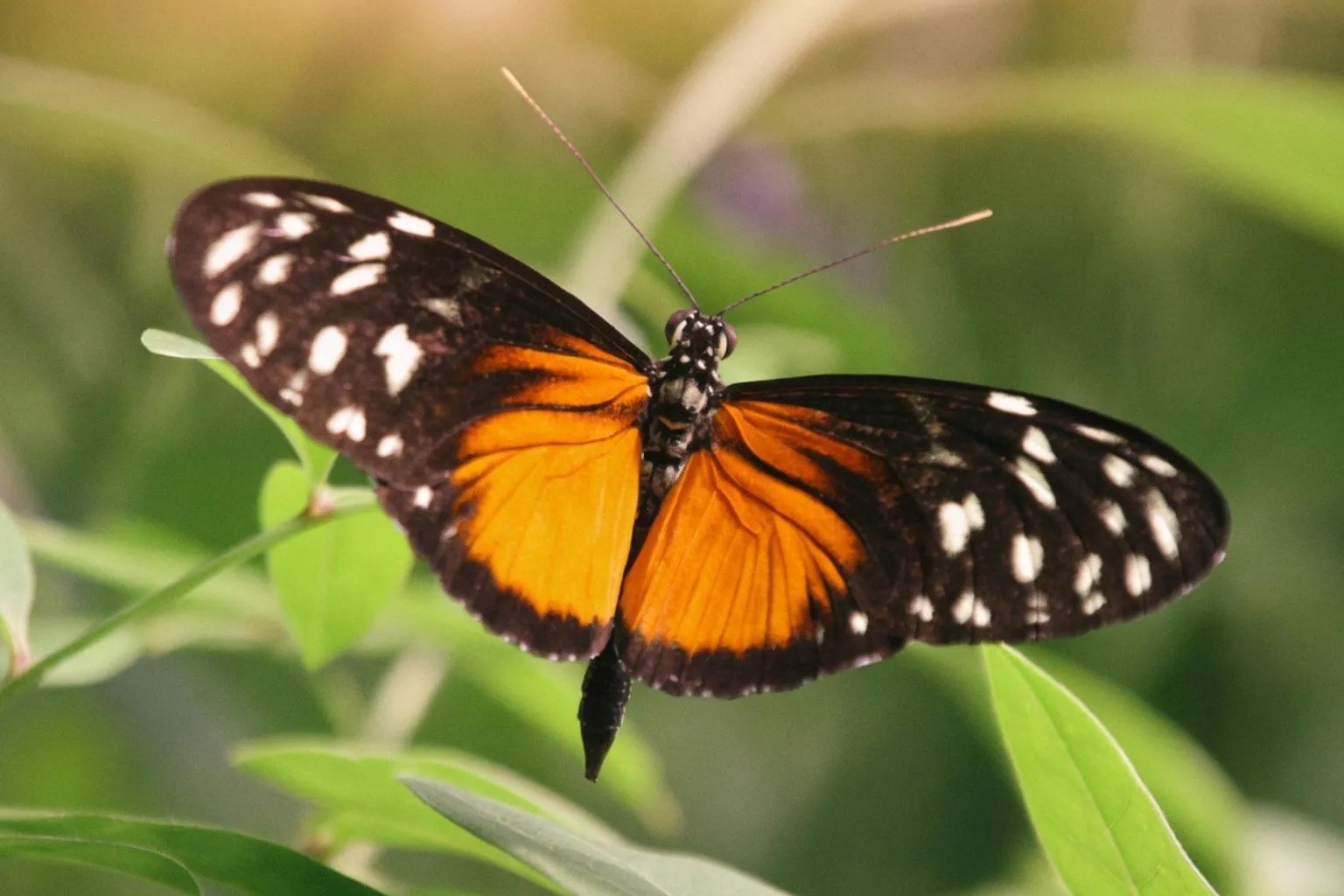
The Pollen-Longevity Nexus in a Model Organism
The core discovery, as reported, identifies a correlation between a specific dietary intake and extended lifespan in the observed butterfly cohort. The mechanism is not elaborated upon in the available data. However, in the context of longevity research, such a model organism is valuable. It suggests that the bioactive compounds in pollen may modulate biological pathways relevant to aging—potentially involving antioxidant capacity, protein metabolism, or mitochondrial function. The efficacy of such dietary interventions is a primary focus of translational research.
Contextualizing the Finding for Longevity Science
From an analytical perspective, this insect model offers a high-turnover system to test hypotheses about nutrient-sensing pathways like mTOR and sirtuins, which are conserved across species. The observation does not imply direct applicability to human physiology. Instead, it contributes to a broader evidence base examining how specific nutrient matrices influence healthspan in diverse biological systems. We observe in the data a pattern, not a prescription; the value lies in the potential for generating new research questions.
Limitations and the Path Forward
The current evidence is preliminary. Critical details regarding the specific pollen compounds, dosing, and direct biomarker changes in the butterflies are absent from the primary report. Any potential insights must be pursued through rigorous, peer-reviewed investigation. The next step for the scientific community would involve characterizing the bioactive components and elucidating the precise cellular mechanisms at play. This underscores a principle in longevity science: compelling natural models are starting points for inquiry, not endpoints for application.