Scientists Use Blue Light to Build Complex Drug Molecules Faster, Could Speed Up Drug Discovery
A visible-light photocatalytic method, activated by ordinary blue LEDs, can now modify two adjacent carbon atoms in a single synthetic step.
Brian Woodward·updated July 13, 2026
Mechanistic Shortcut in Molecular Assembly
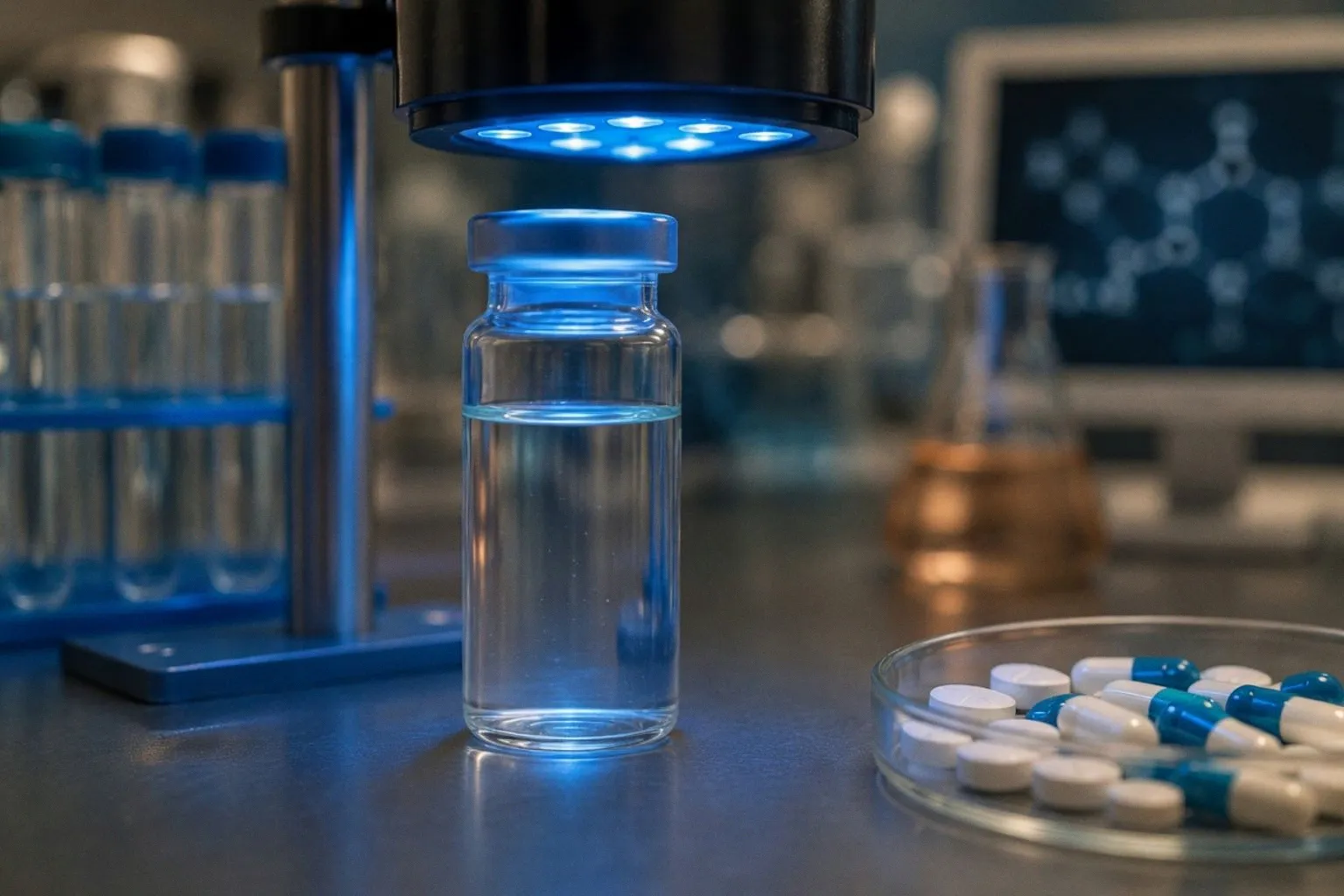
The research focuses on carbon-halogen bond-containing molecules, a common class in medicinal chemistry. Traditional synthesis requires sequential reactions to modify the carbon atoms, a process that increases step count, material consumption, and overall development time. By combining these substrates with a photocatalyst and exposing the solution to blue light, the team induced a temporary reactive state. This allowed for the simultaneous modification of the target carbon and its immediate neighbor—a "two-for-one" reaction efficiency.
Efficacy and Practical Implications
The significance lies not in a novel therapeutic target, but in the potential to expand the chemical space accessible to researchers during discovery. As Dr. Patricia Z. Musacchio, the study's corresponding author, noted, the goal is to provide "a faster route to the complex molecules needed in drug discovery." Shortening synthetic pathways means more potential drug analogs can be screened in a given timeframe. The simplicity of the equipment—a blue LED rather than specialized, high-energy light sources—further underscores the practicality of the approach for broader adoption in research cohorts.
Current Evidence Limitations
It is crucial to assess this advance within its current context. The findings demonstrate a new synthetic capability in a laboratory setting; there is no data yet on its translation to scaled manufacturing or its impact on the biological efficacy of final drug molecules. The primary metric reported is synthetic step reduction, not accelerated clinical timelines. We observe in the data a promising tool for building molecular complexity more efficiently, but its ultimate impact on the drug discovery pipeline remains a hypothesis pending validation in advanced pharmaceutical development programs.