The most important technology in healthcare is still human
A useful hypothesis is emerging from current healthcare reporting: the limiting factor in digital medicine may not be the algorithm, but the clinical system around it.
Brian Woodward·updated July 01, 2026
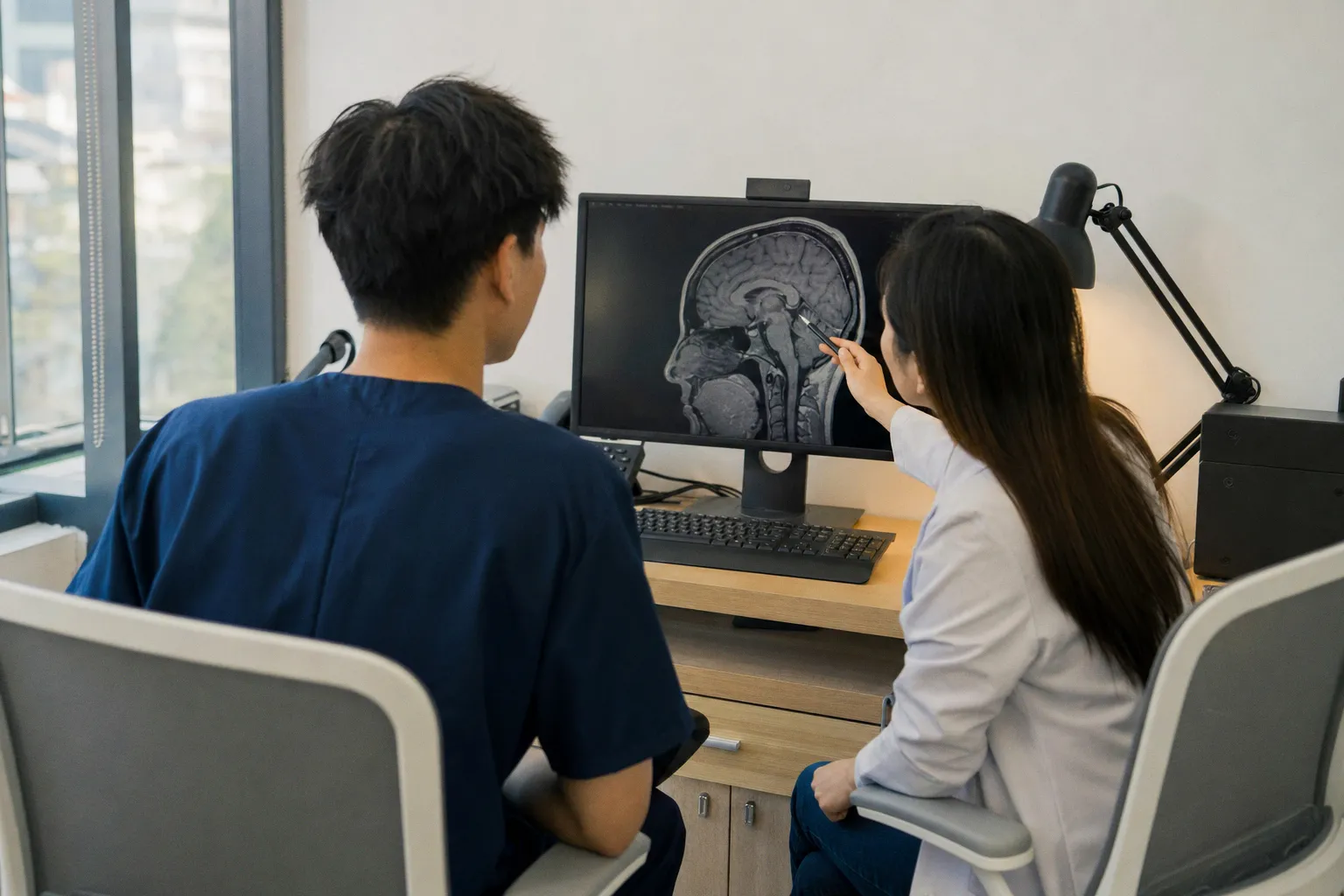
AI is becoming faster at detection, not wiser by default
The strongest concrete example comes from Gulf News: SEHA clinics have implemented an AI retinal screening system across 19 clinics in Abu Dhabi and Al Ain. The system automatically analyzes retinal images to support early detection of diabetic retinopathy and other sight-threatening conditions. Reported turnaround time falls from as much as three days to seconds.
That is clinically meaningful. In a preventive-care model, faster triage can shorten the interval between a measurable abnormality and a care pathway. Similar logic applies to AI-assisted chest X-ray analysis for tuberculosis screening, where the tool identifies patterns that require further clinical evaluation. Gulf News also cites advanced bone age assessment tools used to help clinicians evaluate growth and developmental conditions in children, improving consistency and supporting faster decisions.
But the mechanism is narrow. These systems detect, flag, classify, and accelerate review. They do not determine the full significance of a finding in a patient with a specific history, risk profile, genetics, lifestyle, and lived experience. The article’s central distinction is important: artificial intelligence may identify an abnormality; a clinician determines what it means.
For a biomarker-driven audience, this is the difference between signal and decision. A retinal image, chest X-ray, lab trend, or wearable metric can alter risk assessment. It should not automatically become a protocol.
Rehabilitation shows the same constraint in a different form
OCNJ Daily, citing MedRehab Alliance, frames the issue through rehabilitation care. Digital tools, data analytics, and advanced treatment technologies are becoming more common in assessment, monitoring, treatment planning, and patient engagement. These tools can help clinicians gather information more efficiently and track patient progress.
The limitation is not technical alone. Rehabilitation often involves physical, cognitive, or communication challenges that affect daily life. Progress depends on collaboration between patients and clinical teams. Trust, communication, encouragement, and individualized support are described as relevant to outcomes alongside clinical interventions.
This is not sentimental language if read clinically. Adherence, feedback quality, tolerance of uncertainty, and the ability to adjust treatment in response to frustration or anxiety are all human-mediated variables. A monitoring tool may show a trend. It cannot fully interpret motivation, fear, comprehension, or the patient’s lived constraints.
The practical implication is clear: technology can reduce administrative load and improve information access, but it should remain a support tool. OCNJ Daily reports that clinical judgment, professional experience, and patient-specific considerations remain essential to quality care.
What to check before trusting a digital health tool
The useful question is not whether a platform uses AI. The useful question is where it sits in the clinical chain.
First, identify whether the tool is screening, monitoring, planning, or deciding. Screening tools can be valuable when they shorten time to evaluation, as in the retinal example. Monitoring tools can help reveal trends. Planning tools can support consistency. None of these categories automatically substitutes for a clinician.
Second, look for governance. Gulf News explicitly notes that technology must operate within clinical governance, quality assurance, patient safety, established routines, clear protocols, and oversight. For any longevity or biohacking device, the analogous question is simple: who reviews the output, what threshold triggers action, and what happens next?
Third, ask whether the data changes care. More measurements do not equal better care if they do not lead to a coherent decision pathway. A useful tool should help clarify risk, timing, or intervention selection. If it only produces alerts, scores, or dashboards without clinical interpretation, its efficacy remains uncertain.
The sober reading is that healthcare technology is becoming more capable at pattern detection and workflow support. The evidence presented here does not justify replacing the clinician with the model, nor the therapeutic relationship with a dashboard. We observe a more defensible model: human-led care, augmented by faster detection, better tracking, and tighter feedback loops.