OpenAI Researcher Miles Wang Targets $2B Valuation for AI-Driven Drug Discovery Startup
I’ve been watching the cadence of investment in longevity science quicken lately, and a recent move by an OpenAI researcher strikes a particularly resonant chord for anyone tracking recovery and restorative health.
Jessica Clayton·updated July 20, 2026
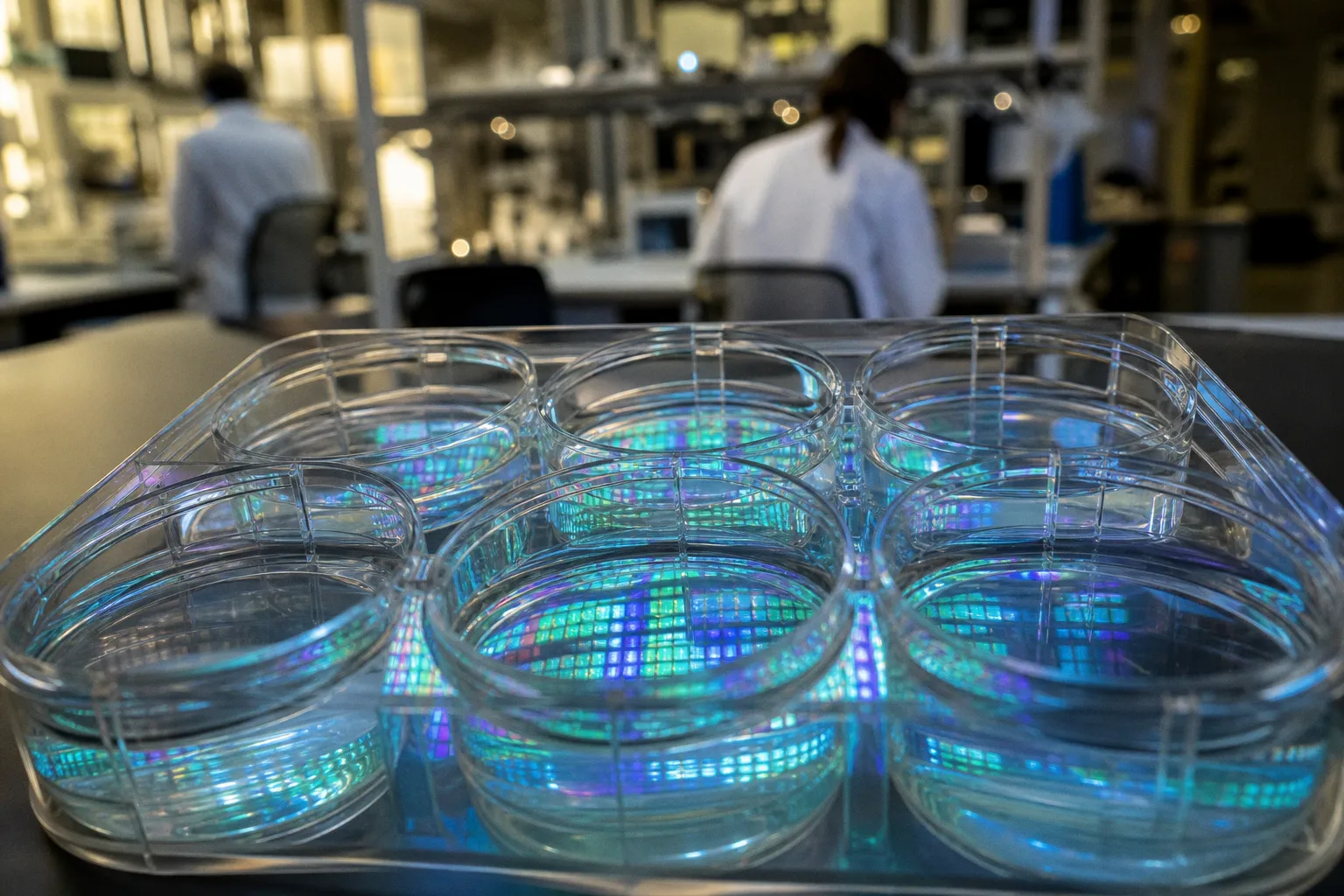
According to reports, Miles Wang is in discussions to launch an AI drug discovery startup valued at $2 billion, a signal that the tools we use to understand biological restoration are undergoing their own rapid evolution.
The Allostatic Load of Discovery
Wang’s departure from OpenAI to focus on modeling molecular interactions points directly at a bottleneck many of us feel: the slow, costly pace of translating physiological insight into tangible therapies. His reported aim to repurpose existing drugs—or even those that previously failed trials—suggests a focus on accelerating the timeline from discovery to application. For the recovery space, where interventions for sleep architecture or cellular repair are often incremental, AI-driven models that can screen and predict compound efficacy at unprecedented speeds represent a potential down-regulation of the entire research timeline. This isn't about hacking biology; it's about building a more intelligent, responsive cadence for science itself.
A Clearer Signal from Sleep Science
This macro investment trend gains sharper focus when paired with specific, recent research. A study from the University of Kentucky discovered that inflammatory microglia, not just amyloid plaques, are primary drivers of sleep loss in Alzheimer’s disease. When researchers temporarily depleted these immune cells in animal models, they restored over two hours of restorative NREM sleep per night. This finding isolates a concrete, actionable lever within the complex symphony of neuroinflammation and sleep—a nuance that broad, untargeted therapies miss. It’s a reminder that the frontier of recovery isn't just about discovering new agents, but about applying existing understanding with greater precision.
Navigating the Energy Frontier
The convergence of high-powered AI modeling and targeted biological research asks a practical question: how do we steward this accelerating pace? The systemic efficiency required to translate these breakthroughs into real-world impact extends beyond the lab. For instance, the infrastructure powering this research—from data centers to future delivery systems—must itself become more efficient. The projected shift to electric vehicles, aiming to claim over a quarter of global sales, mirrors this need for systemic, sustainable energy management in our own recovery protocols and in the broader scientific ecosystem.
The takeaway I’m contemplating isn't a list of stocks or supplements to watch. It’s a calibration of our attention. The cadence of discovery is quickening, not just in identifying the next promising molecule, but in the fundamental systems we use to find it. The most resonant changes may come not from a single breakthrough, but from the intelligent platforms that allow us to listen more clearly to our own biology. For now, grounding ourselves in the confirmed, specific mechanisms—like the role of microglia in sleep—keeps us from chasing hype and allows us to appreciate each clear signal as it emerges.