Unlocking the potential of organoids in modern drug discovery
A recent News-Medical item is titled “Unlocking the potential of organoids in modern drug discovery.” In the same news cycle, several outlets also flagged AI drug-discovery activity involving Anthropic and a planned drug-discovery startup team.
Brian Woodward·updated July 16, 2026
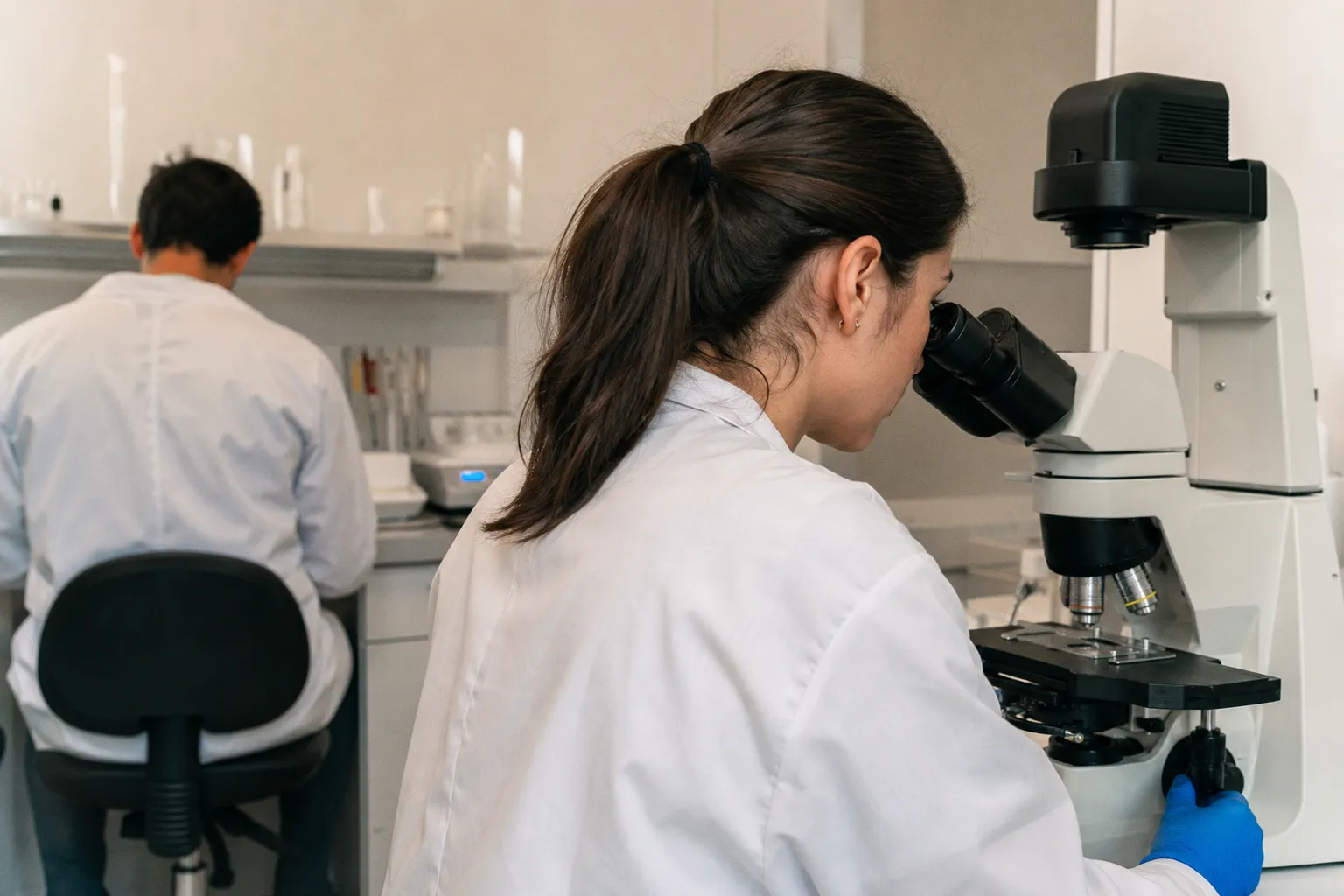
For longevity research, this distinction matters. Drug-discovery headlines often compress several separate layers—model development, computational prioritisation, laboratory testing, and eventual human evidence—into one narrative. The evidence supplied here supports only that organoids and AI-enabled drug discovery are receiving current editorial attention.
The organoid claim remains undefined
The News-Medical headline identifies organoids as the subject of a drug-discovery discussion. It provides no study abstract, cohort, experimental protocol, endpoint, comparison group, or efficacy measurement.
That absence sets the appropriate level of confidence. We cannot determine from the available text whether the article concerns a particular organ type, a disease model, a screening workflow, toxicity assessment, or a platform for selecting compounds. Nor can we infer that organoid-based findings have translated into human outcomes.
This is a recurrent mechanistic problem in longevity coverage. A model can be useful without being clinically predictive. Its value depends on what biological feature it captures, how reproducibly it behaves, and whether its outputs correspond to outcomes beyond the experimental system. None of those variables are specified in the supplied material.
AI activity is adjacent, not yet integrated evidence
AI Magazine and Healthcare Digital both published items on Anthropic’s interest in AI drug discovery and medical research. Separately, ababnews.com reported that OpenAI researcher Miles Wang is leaving for a startup, with a new team planning to develop AI models for drug discovery.
These reports indicate attention to computational drug-discovery infrastructure. They do not demonstrate that an AI model has identified an effective intervention, that any candidate has been tested in organoids, or that either approach has relevance to ageing biology specifically.
The practical analytical error is to treat computational capability as efficacy. An AI system may help organise hypotheses or prioritise experimental work. That is not equivalent to evidence that a molecule modulates a human ageing pathway, improves a biomarker, or changes a clinical outcome. Each transition requires its own evidence.
What to verify before assigning longevity relevance
Readers assessing subsequent coverage should look for the missing specifics rather than the platform label. The first question is whether a report identifies the biological model and its intended use. The second is whether it states a measurable endpoint rather than a general claim of discovery potential. The third is whether the work includes an independent comparison or validation step.
It is also worth separating three claims that are often bundled together: a model may be technically sophisticated; it may generate a drug candidate; and that candidate may ultimately benefit people. These are distinct propositions with different evidentiary thresholds.
At present, the available record supports cautious monitoring, not a conclusion about therapeutic progress. Organoids and AI may become complementary components of discovery workflows. But the present headlines contain no data on efficacy, reproducibility, safety, or translation to human health.