Thumbay Leads Middle East Into Advanced Longevity Science
The announcement of a formal academic partnership to launch longevity medicine certificate programs in the UAE signals a critical inflection point: the regional healthcare sector is beginning to…
Brian Woodward·updated July 14, 2026
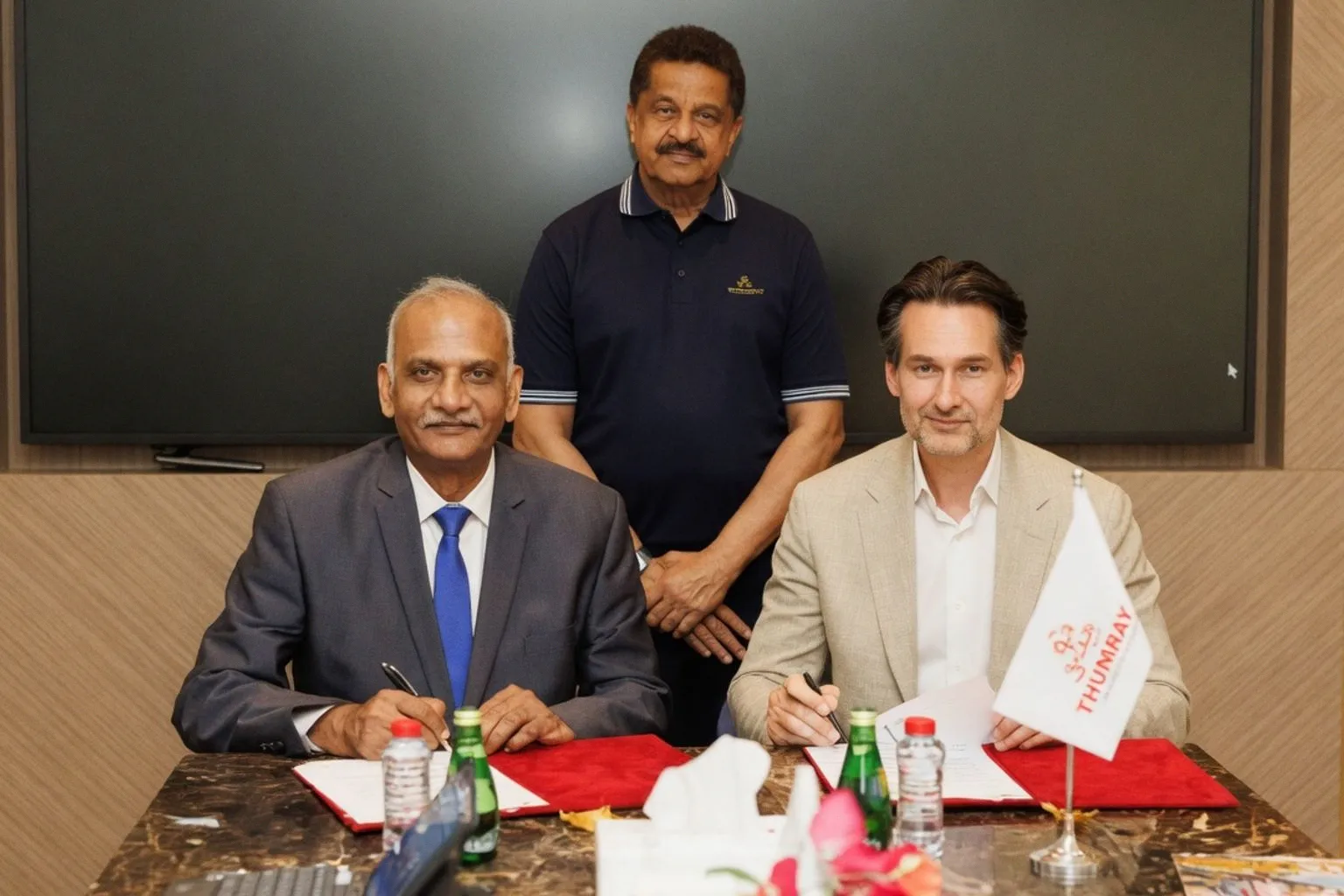
The announcement of a formal academic partnership to launch longevity medicine certificate programs in the UAE signals a critical inflection point: the regional healthcare sector is beginning to institutionalize longevity science as a distinct clinical discipline. Thumbay Group’s collaboration with the Geneva College of Longevity Science (GCLS) to establish the Thumbay Institute of Longevity Medicine moves beyond wellness trends into structured, credentialed education, directly addressing the field’s acute training deficit.
The Institutionalization of Longevity Medicine
We observe a deliberate attempt to build academic infrastructure where none existed. The institute, anchored at Gulf Medical University, will deploy six specialized professional certificate programs. Each program is designed as a fast-paced, three-month hybrid curriculum. The reported structure—accepting 100 participants per cohort—suggests a focus on intensive, cohort-based training rather than mass enrollment. The target demographic is explicitly licensed practitioners: physicians, pharmacists, nurses, and physiotherapists. This focus indicates a strategic move to integrate longevity principles into existing clinical workflows, rather than creating a parallel wellness industry.
Mechanistic Education vs. Consumer Demand
The partnership’s rationale hinges on a cited gap between escalating consumer demand and clinical capability. The GCLS president’s statement frames longevity medicine as an “essential component of modern healthcare” requiring “clinical standards and credible training infrastructure.” This is a noteworthy claim. The evidence for this training model’s efficacy will depend on the curriculum’s scientific rigor—its ability to teach not just protocols, but the underlying mechanistic pathways of aging. For our audience, the value of such a certificate will correlate directly with its emphasis on biomarkers, cellular senescence modulators, and evidence-based intervention tiers.
Regional Implications and Unverified Variables
The development is positioned as supporting the UAE’s strategic vision for preventive healthcare innovation. This alignment with national health policy could accelerate adoption and research funding in the region. However, the source material lacks critical data points: we have no specifics on curriculum content, faculty credentials, or the scientific advisory board. The efficacy of this training initiative remains unquantified. The long-term success metric will be whether graduates produce measurable outcomes in their clinical populations, moving beyond education to actual modulation of age-related disease pathways. We should monitor for subsequent publications of their training outcomes and research collaborations.